

The Current State of Disparity
In this section, we will look at the current state of inequality.
Since there are so many disparities in the world, it is impossible to look at all of them.
Therefore, we will focus on one disparity in each region (Japan, the U.S., Europe, China, and Africa) that has become a particular problem.
Japan

The disparity that is often discussed in Japan is the gender disparity.
The disparity is especially pronounced in the area of employment, where women are less likely to hold power in the company.
This is exemplified by the fact that there are fewer female members of the Diet than in other developed countries.
So, is this the only disparity that is being seen as a problem in Japan?
Inequality in Japan
The USA

The USA is said to be the world's largest economy today.
The image of the U.S. as a wealthy country is strong, and the image of poverty is not so strong.
But in fact, it has a high poverty rate.
Inequality in USA
Europe

Compared to the rest of the world, Europe may have the image of a region with little disparity.
However, the economic disparity within the EU has become a problem, and the government is currently working to establish indicators to combat poverty.
The EU is currently trying to establish a poverty index to further economic growth.
Inequality in Europe
China
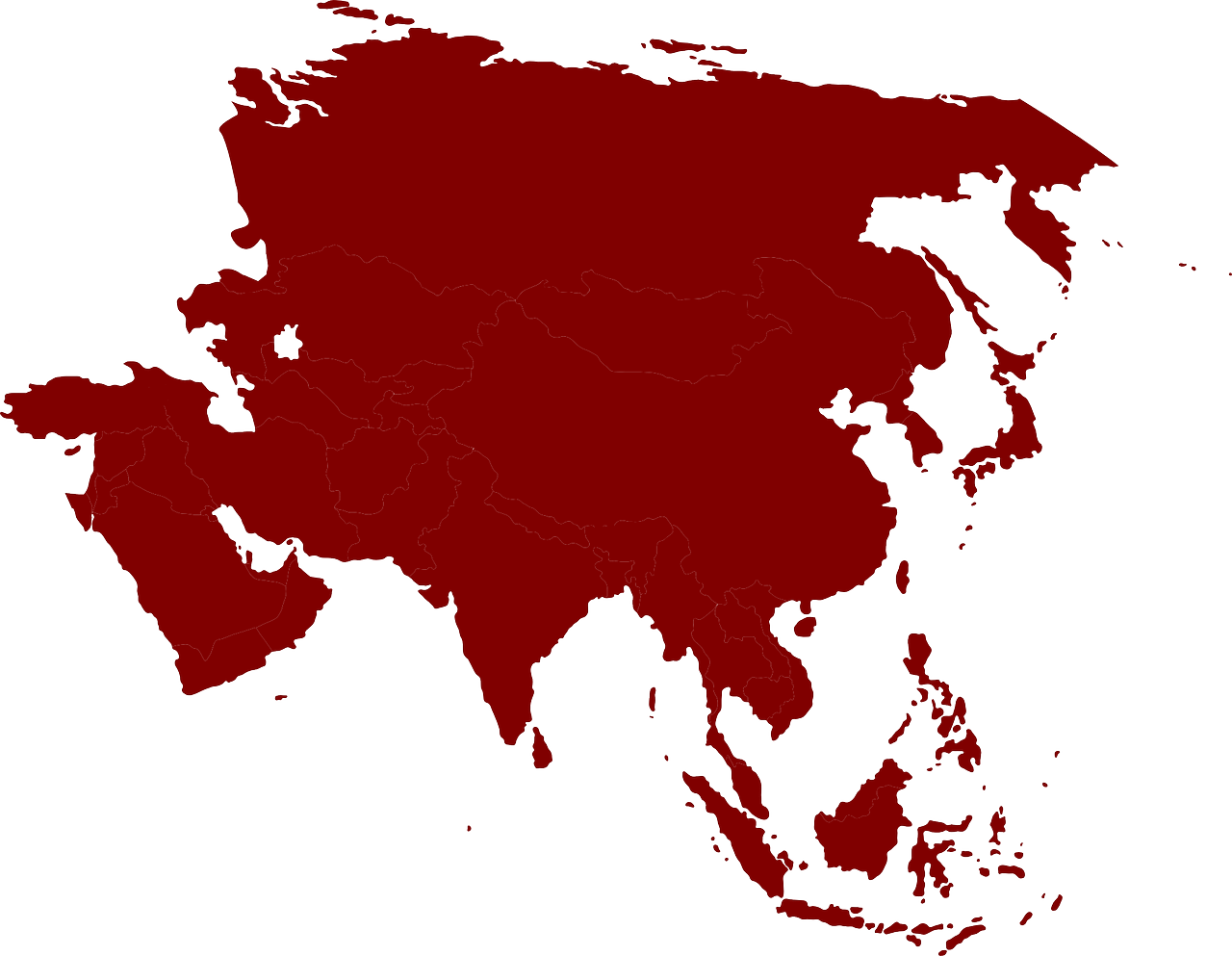
China has experienced rapid economic development in its urban areas and is now called the world's factory.
While China's urban areas are experiencing rapid economic development and are now called the world's factories, many rural areas are still underdeveloped.
The disparity between urban and rural areas has become a problem.
Inequality in China
Africa
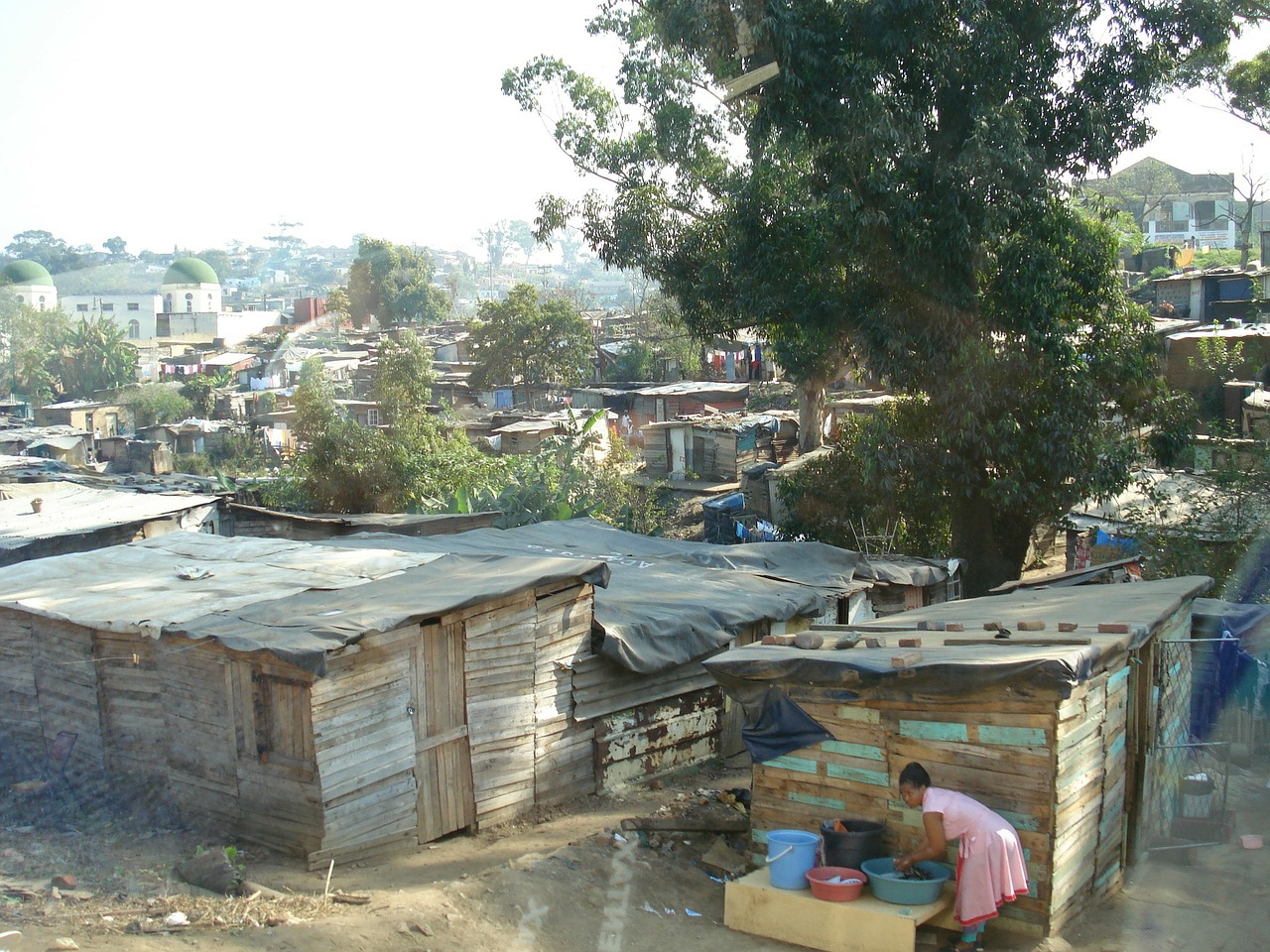
One of the biggest disparities in Africa is poverty.
The population ratio of slum migrants and the poverty ratio of children are high.
It can be said that this is the region where the disparity with the rest of the world is the greatest.
Inequality in Africa
The following is a list of disparities among the representative regions.
Do you know the meaning of each of the above disparities?
In addition, there are other disparities that are similar but slightly different.
In the next page, I would like to explain the different types of disparities and their meanings one by one.
Next
